
This month I’ve chosen to celebrate Pine. There are many trees within the genus pine, all evergreen and wonderfully aromatic. Throughout times and cultures they have helped us sustain health, while also being regarded symbolically for wisdom, fertility and protection.
As we bring these trees into our homes over the festive period, its good to recognise the many gifts they offer, along with the ones we tuck underneath.
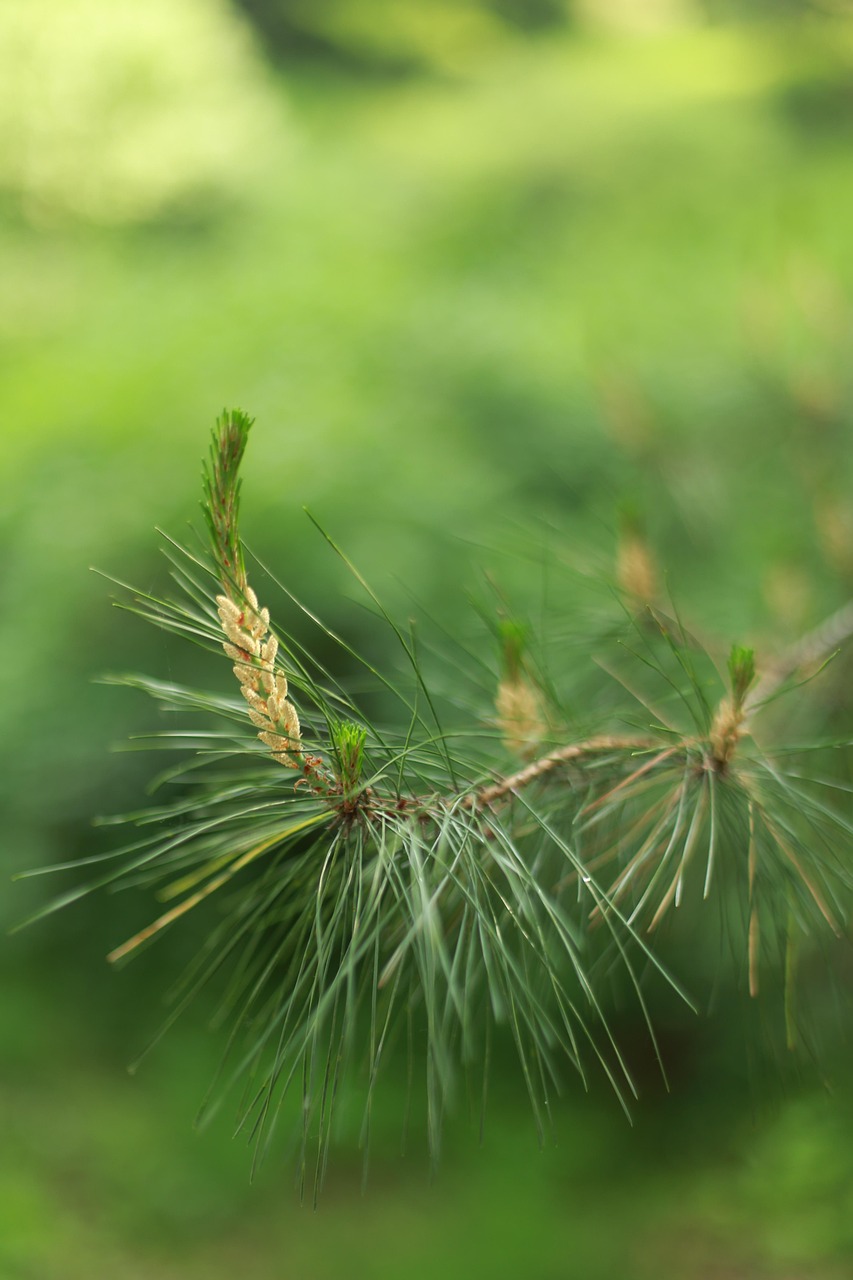
1. Pine Needles
Needles are the ‘leaves’ of the pine tree, bundled in twos, threes or fives, depending on the species. Harvest all year, fresh, packed with volatile oils. Pine needle tea revitalises and sustains. With uplifting aroma and more vitamin C than oranges, internally it helps respiration and immunity; externally it relieves skin conditions and painful joints; emotionally it calms and brings peace. Drink when tight-chested, from grief, anxiety or illness. Pine is a tree of protection, strengthening nerves and bringing courage. A symbol of life to Christians and of wayfinding to Celts – for finding one’s purpose and clarifying who you are.
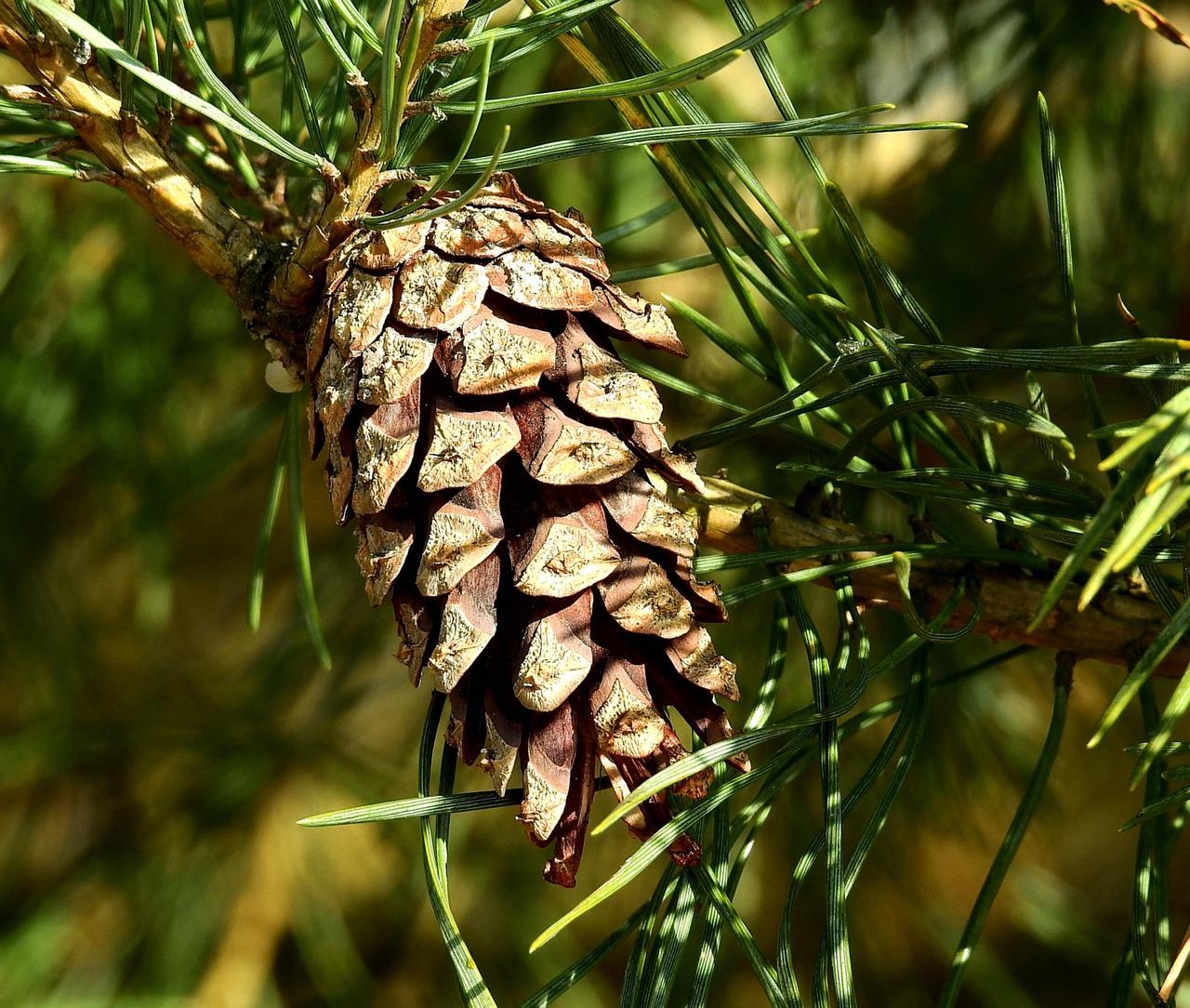
2. Pine cones
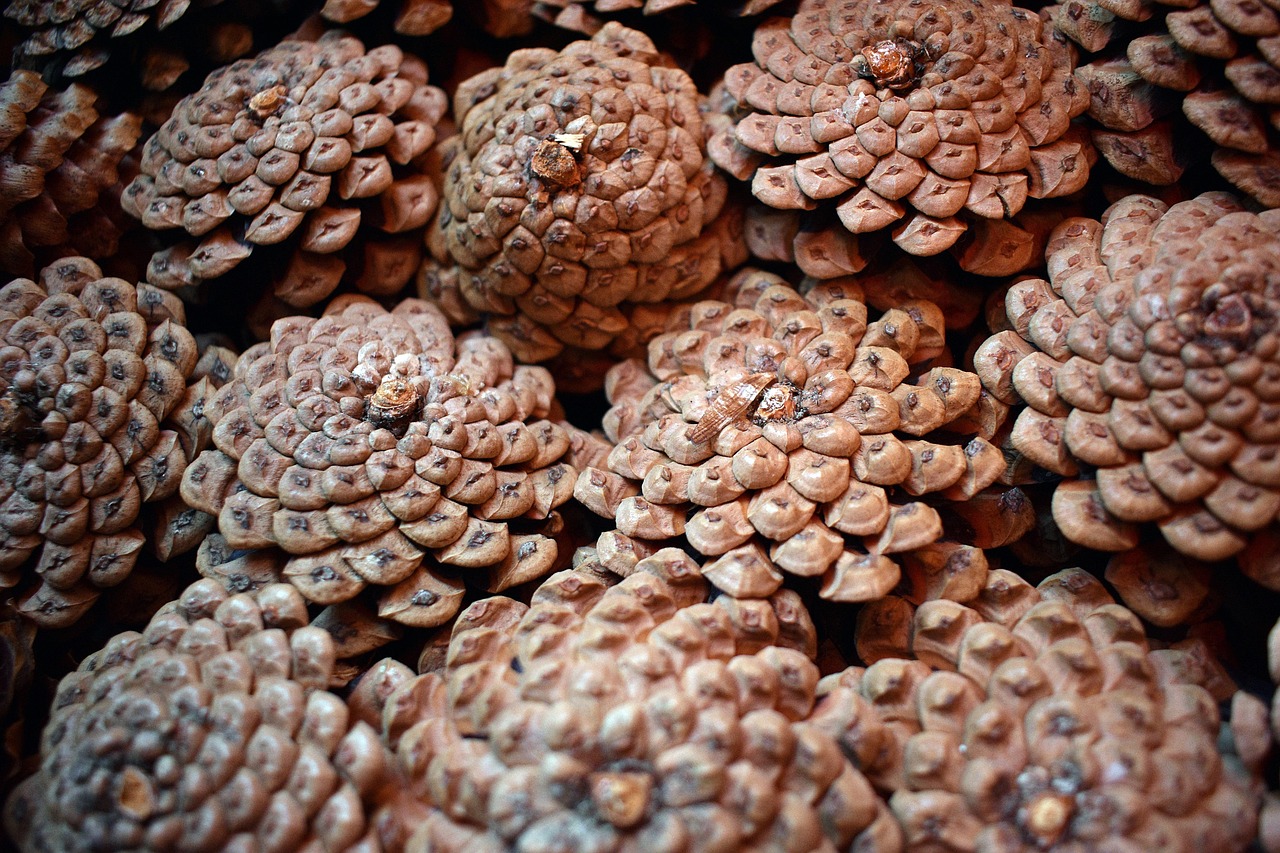
Male cones contain pollen, released in clouds each spring and valued nutritionally. Female cones contain seeds, some take years to open. A symbol of fertility and abundance, believed to encourage conception. They are light sensitive (phototropic), opening when light, dry and warm; closing up if dark and damp – a hanging weather gauge. Shaped like the pineal gland, our ‘third eye’ or ‘seat of the soul’, pine cones awaken us to a higher state of awareness, clarity and spiritual consciousness. Also sensitive to light, the pineal gland regulates our sleeping and waking, releasing melatonin. Pine helps us through the dark months.
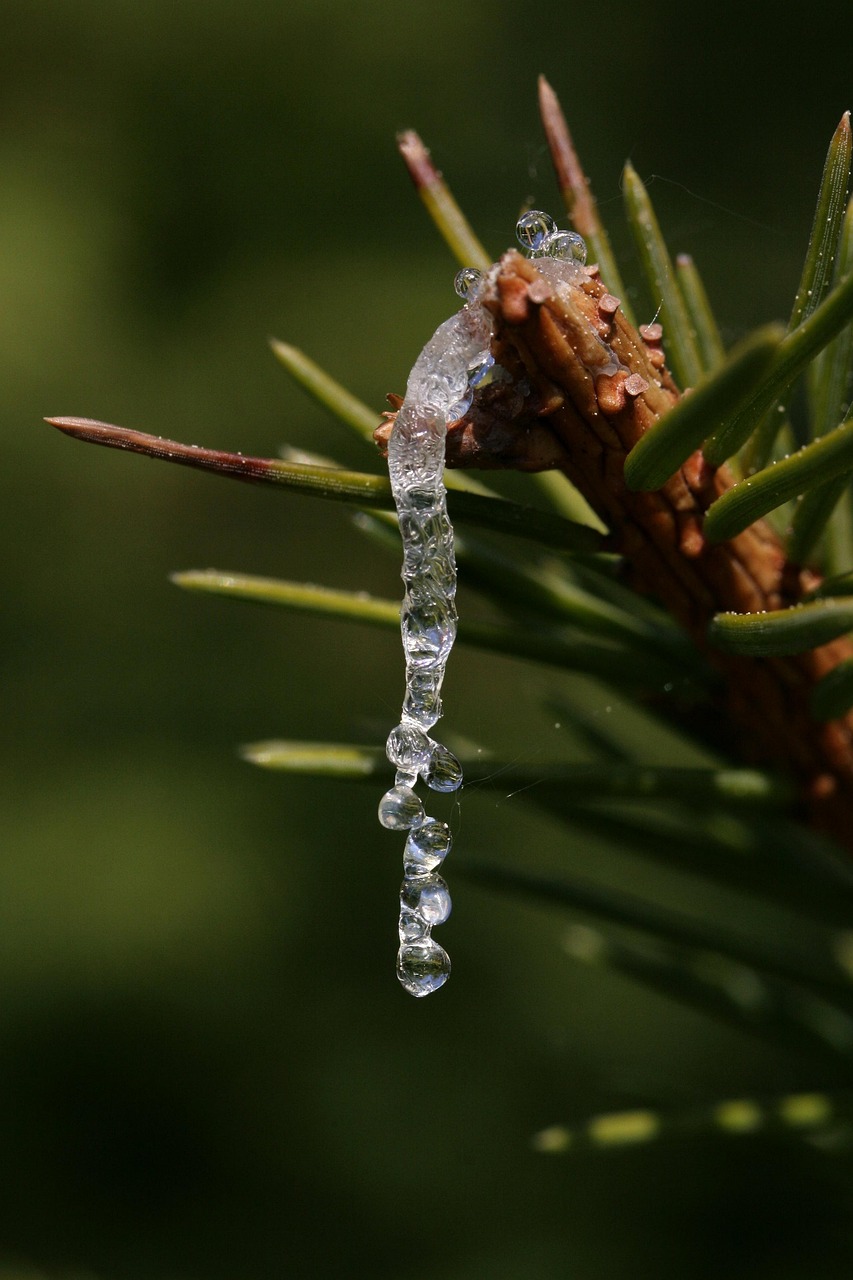
3. Pine resin
Trees produce resin to heal wounds. Resin’s healing properties can be beneficial for us too in tackling skin conditions, easing joint pain or sore muscles and calming inflammation. In deodorants the piney resinous smell masks skin odours, hunters would use it when going tracking so not to be sniffed out. Harvest pine resin when it’s chilly outside, it will be harder then and less sticky. It may need chipping off, be careful not to damage the tree. The resin can be macerated in oil to make a chest rub to help lung health. It can also be used as incense.
4. Pine Nuts
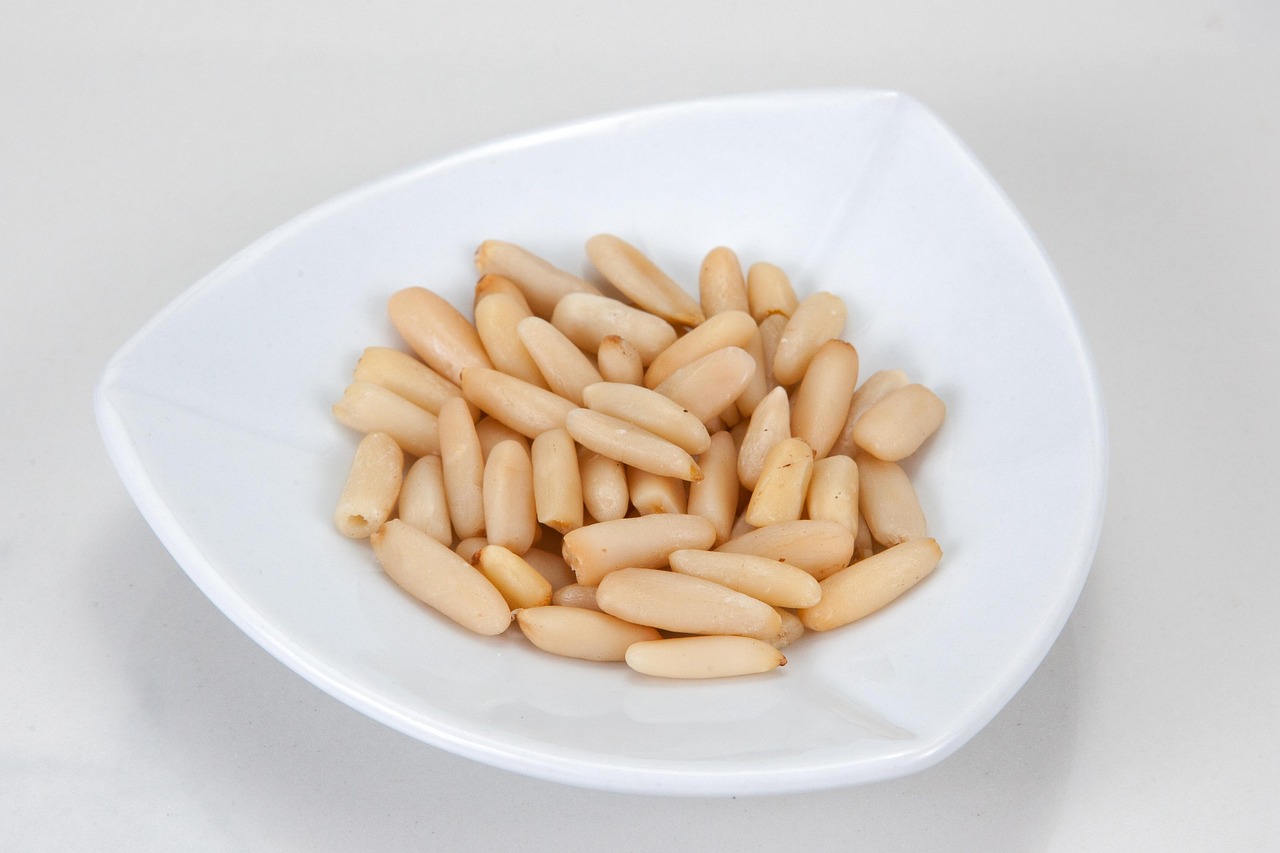
Pine nuts are found within the female pine cones. Conditions need to be right for both tree and seeds to mature over several years, not all are edible. Seeds of the Mediterranean pine have been valued since ancient times for their flavour. The outer shell of the seed must be removed before eating. The inner edible part is the kernel, it will deteriorate quickly. This hard outer shell has been used in traditional cultures to make beads for jewellery. Pine nuts are used to make classic pesto, with basil, but many other pestos are possible with different nuts and herbs.
5. Pine Essential Oil
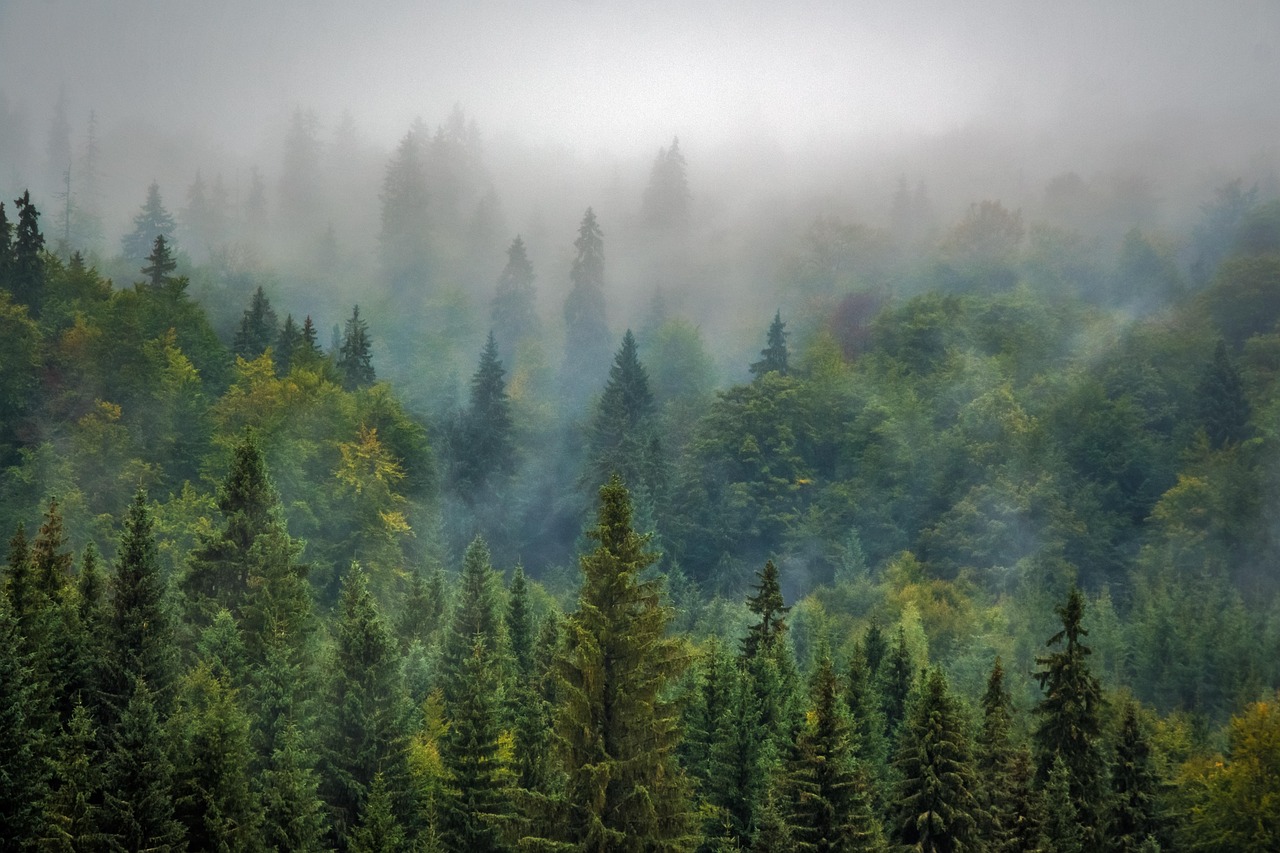
Pine trees are rich with essential oils. Warm days create a haze of pinene over pine forests – it gives the Blue Mountains their name. A cooling layer, protecting the trees from bright sun, it can shield us too. Pine incense is grounding and calming, inhaling pinene lowers levels of the stress hormone cortisol. Pine essential oil has germicidal properties, so is often added to disinfectants and such like. Many of these contain a synthetically created pine scent. A bottle of pine essential oil will typically have been steam distilled from sawdust and woodchips created from the heartwood of the tree.
a note about skin reactions to pine
If you find your skin reacting from touching pine, it’s likely not the tree itself you have an allergy to but the compound within the tree that creates its scent, the terpenes. These are compounds found in many essential oils, so you may already be aware if you have a sensitivity to them. It’s also possible that other allergens are on the tree such as dust, pollen and mould.
Once the itching begins it can take from a few days to a couple of months to go away which could put a real downer on festive season, so the best approach is to protect against it by wearing gloves and long sleeves as you handle the tree.
Should you need to counter any rash or itchiness, oral antihistamines can provide emergency treatment if needed, but for milder irritations and ongoing treatment, nature’s natural soother is oats and a cool compress can also help. While you heal, be minimal about the products you use for cleansing and bathing, stick to single oils to clean skin and moisturise.
LIKE THE IDEA OF GATHERING YOUR OWN SKINCARE INGREDIENTS? …
… you might like to read some more.
For everything you need to know to get started with Blend-it-Yourself skincare using the plants that grow around you, see Vital Skincare by Laura Pardoe. This book takes you through the techniques and ingredients you’ll need to know to make your own natural skincare.
